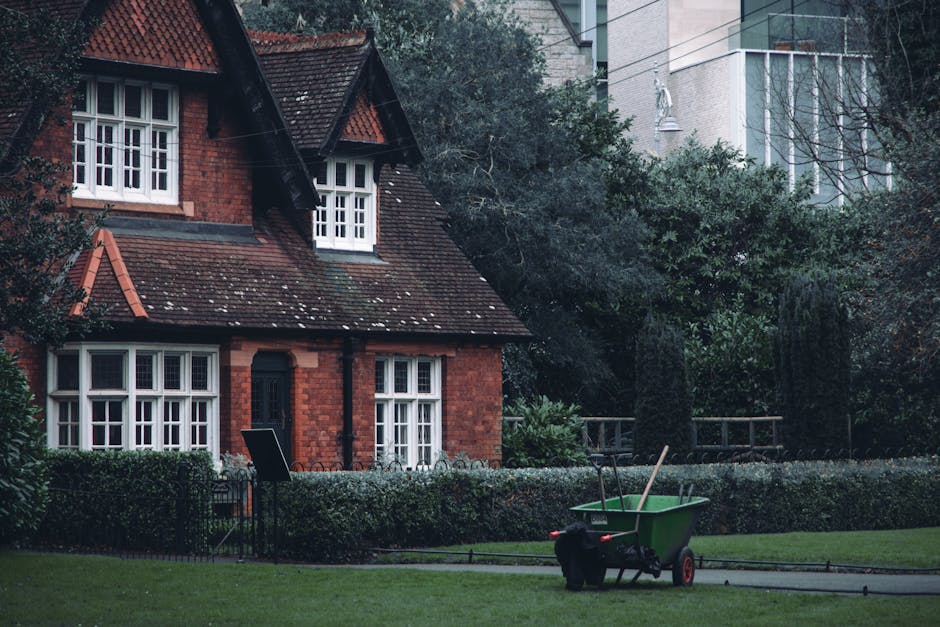
Markhouse Road garden clearance services near Walthamstow Market: a practical local guide
If your garden is beginning to feel more like a storage yard than an outdoor space, you are not alone. On Markhouse Road, especially close to the bustle of Walthamstow Market, gardens can pick up clutter quickly: broken planters, old fencing, hedge cuttings, stubborn weeds, and the sort of mixed debris that quietly grows arms and legs. Markhouse Road garden clearance services near Walthamstow Market are designed to take that mess off your hands, reset the space, and leave you with something usable again.
This guide explains what garden clearance involves, how it works, what to expect from a good local service, and how to avoid the common mistakes that cost people time and money. If you are deciding whether to tackle it yourself or bring in help, this should make the choice much clearer. And yes, it can be a relief. A proper one.
Why Markhouse Road garden clearance services near Walthamstow Market matters
A neglected garden is not just untidy. It can become harder to maintain, harder to use, and in some cases harder to keep safe. Near Walthamstow Market, properties often sit within busy residential streets where access may be tight, waste storage can be awkward, and outdoor space has to work harder. That means a clear, organised approach matters more than people think.
Garden clearance is the reset button. It removes the obvious problem items first: piles of green waste, overgrown shrubs, unwanted junk, old compost sacks, fallen branches, and bramble patches that have overstepped the mark. Once that is done, the garden is easier to inspect properly. You can see the structure again. You can spot drainage problems, damaged edging, broken paving, or areas that need maintenance rather than just a tidy-up.
There is also a very practical local angle. In tighter London streets, a half-finished DIY clearance can linger for weeks because disposal is awkward. Bags get stacked in a corner. A skip may be too much for the job. Some waste is too bulky to move by hand without planning. A professional clearance service saves that stop-start cycle, which, truth be told, is often where DIY enthusiasm quietly collapses.
If your garden has been ignored after a tenancy change, refurbishment, or a long wet spell, a clearance service is often the fastest way back to normal. It is especially useful before a sale, before landscaping, or before arranging ongoing care through garden maintenance.
Expert summary: Good garden clearance is not just about making things look neat. It is about creating a clean, safe starting point so future maintenance, planting, and landscaping are actually easier to do.
How Markhouse Road garden clearance services near Walthamstow Market Works
The process is usually straightforward, but the details matter. A reliable service will start by understanding what needs clearing, how much waste is involved, and whether there are access issues such as narrow side paths, locked rear gates, steps, or shared entrances. That first conversation sets the tone for the rest of the job.
In practical terms, a garden clearance may include:
- removing green waste such as hedge clippings, weeds, branches, and leaf fall
- lifting bagged garden waste and broken plant material
- removing old pots, turf, timber offcuts, and damaged garden furniture
- cutting back overgrowth where it blocks access
- sorting reusable materials from waste that needs disposal
- leaving the area swept and ready for the next stage
Some jobs are light and tidy. Others are more like a rescue mission after months of neglect. A tiny courtyard behind a terrace can look simple at first, then you open the gate and find tangled climbers, a dead tree stump, and enough old debris to fill a van. Happens more often than you might expect.
Good services usually separate clearance from related tasks. For example, if a hedge is part of the problem, it may make sense to combine the work with hedge trimming. If there are unsafe or unwanted trees, then tree lopping and removal may be needed as part of the plan. And once the garden is cleared, the next job is often a wider clean-up or redesign through landscaping.
A good team will explain what is included before starting. That sounds basic, but it is the sort of basic that saves arguments later.
Key Benefits and Practical Advantages
The most obvious benefit is a cleaner, more usable outdoor space. But there is more to it than that.
- Better safety: Clearing broken branches, loose waste, and hidden debris reduces trip hazards and makes the garden easier to move through.
- Faster transformation: A full clearance creates the base for mowing, trimming, planting, or redesign.
- Less stress: It removes a job that can otherwise hang over you for weeks. Sometimes months.
- Improved kerb and property appeal: A neat back garden or front garden can make a huge difference to how a home feels.
- More accurate planning: You cannot properly plan improvements until you can see what is actually there.
- Smarter waste handling: A service that knows how to sort and dispose of waste properly helps avoid the faff of multiple trips and overfilled bins.
There is also a subtle benefit people do not always mention: mental relief. You open the back door, look out, and the whole place feels calmer. Less noise in your head. Less visual clutter. It is a small thing, but not really small.
If the garden is part of a wider property upkeep plan, then clearance pairs well with ongoing care. Regular lawn mowing, seasonal pruning, and tidy borders make future clearances smaller and less expensive. That is just common sense, though common sense is often the first thing to go when life gets busy.
Who This Is For and When It Makes Sense
Not every garden needs a full clearance. Some just need a steady maintenance routine. But there are clear situations where Markhouse Road garden clearance services near Walthamstow Market make real sense.
You may need this service if:
- the garden has been left untouched for a long time
- you are preparing a rental property for new tenants
- you have bought a property with an overgrown or neglected outdoor space
- you are planning landscaping or decking and need a clean start
- you cannot safely manage the work yourself
- you have large amounts of waste that are awkward to move
- you want the job finished in one go rather than spreading it out over weekends
This is often the right call for older homeowners, busy families, landlords, letting agents, and anyone dealing with a garden that has gotten away from them after a wet winter or a packed few months. To be fair, gardens do not respect our schedules.
If the aim is longer-term improvement rather than just a one-off tidy, it may be worth looking at related services such as services overview to understand how clearance fits with other outdoor work. A fresh clearance today can easily turn into a better garden overall tomorrow.
Step-by-Step Guidance
If you want the process to go smoothly, it helps to know what happens at each stage. Here is the usual flow.
- Assess the space. Walk the garden and identify what needs removing, what should stay, and whether anything looks unsafe.
- Separate the jobs. Decide whether you need clearance only, or clearance plus trimming, pruning, mowing, or broader landscaping.
- Check access. Note gate widths, side passages, stairs, and where waste can be staged before loading.
- Ask for a clear quote. A proper estimate should explain the scope of work, waste handling, and any likely extras.
- Prepare the area. Move personal items, toys, fragile pots, and anything you definitely want to keep.
- Carry out the clearance. The team removes waste, sorts materials, and clears the selected areas.
- Inspect the result. Walk through the space before the job is considered complete. Check corners, borders, and hidden spots.
- Plan the next step. Decide whether the garden needs maintenance, a redesign, or periodic upkeep.
It sounds simple, and mostly it is. But the better the prep, the better the outcome. If you have a lot of overgrown hedging or persistent weeds, it may make sense to tackle those at the same time rather than leaving them for later. Later often means never.
Expert Tips for Better Results
A few small decisions can improve the final result quite a bit.
Start with the access points. Rear access is often the bottleneck in London gardens. If waste has to pass through the house or around a tight side path, plan that carefully. It saves time and reduces mess.
Be clear about what should stay. A lot of confusion comes from items that look like rubbish but are actually meant to remain. Mark them out early. Even a quick chalk mark or a pile in one corner can help.
Think beyond the cut-down. If you only remove the obvious growth, the garden can still feel unfinished. Sometimes the real improvement comes from clearing edges, tidying borders, and removing old supports or broken structures too.
Match the service to the end goal. If you are preparing for planting, you want a cleaner finish. If you are planning a full redesign, you may need more than clearance alone, perhaps with landscape gardening or even structural work like decking services.
Do not ignore the waste trail. Bags, wheelbarrow routes, and loading points matter. A tidy route means a tidier job overall. That one detail saves a surprising amount of friction.
One more thing: if the job includes dense overgrowth, keep an eye out for hidden objects. Old tools, cracked pots, even garden furniture can be buried under a lot of greenery. It is a bit like archaeological digging, except with more thorns.
Common Mistakes to Avoid
Garden clearances go wrong in predictable ways. The good news is that most of them are avoidable.
- Assuming all clearance is the same: A light tidy and a full overgrown clearance are very different jobs.
- Not checking access first: This can lead to delays, extra labour, or waste being handled inefficiently.
- Leaving hidden items in the garden: Small items can get damaged or accidentally removed if they are not clearly separated.
- Forgetting disposal requirements: Garden waste, mixed waste, and reusable materials may need different handling.
- Booking clearance without a plan for what comes next: Once the space is clear, you should know whether it will be mown, maintained, landscaped, or left bare for a while.
- Choosing on price alone: The cheapest quote is not always the best value if it ignores access, safety, or proper disposal.
The other big mistake is underestimating how much waste there is. A garden that looks manageable from the patio can produce far more debris once the work starts. That is normal. It just means realistic quoting matters.
Tools, Resources and Recommendations
You do not need specialist equipment to understand the basics of clearance, but a few practical tools help you prepare and make better decisions.
- Garden gloves: Useful if you are sorting through the area first.
- Heavy-duty sacks or containers: Handy for grouping waste by type.
- Pruning shears and loppers: Good for small pre-clearance snips, though larger growth should be handled properly.
- Wheelbarrow or garden trolley: Useful if access is awkward and waste needs moving in stages.
- Notebook or phone photos: A simple way to record what needs doing before the work begins.
From a decision-making point of view, the most useful resource is usually a clear service description and a transparent quote. That is where pricing and quotes becomes helpful. If you understand what is included, you are far less likely to feel surprised later.
It is also sensible to check the provider's approach to waste handling and sustainability. Garden clearance often generates green waste, and a responsible provider should have a clear process for sorting and disposal. You can read more about that approach through recycling and sustainability. Small detail, maybe, but it matters.
Law, Compliance, Standards, or Best Practice
Garden clearance is not the most heavily regulated part of property maintenance, but there are still sensible standards to follow. In the UK, waste should be handled responsibly, and anyone carrying away waste should be able to explain where it goes and how it is managed. You do not need to get bogged down in legal jargon to understand the principle: rubbish should not simply disappear into a mystery pile somewhere.
Best practice usually includes:
- sorting green waste from mixed waste where practical
- taking care not to damage shared access, paving, fences, or neighbouring property
- working safely around tools, sharp cuttings, and hidden debris
- using appropriate protective equipment
- keeping the customer informed about scope, timing, and expected finish
If a job involves unstable trees, heavy branches, or awkward removals, it becomes more important to use proper safety methods. That is where health and safety policy and insurance and safety should reassure you that the work is being handled sensibly.
For homeowners and landlords, the practical standard is simple: the space should be left safe, tidy, and ready for use, with waste dealt with properly and no hidden hazards left behind. That is the benchmark worth caring about.
Options, Methods, or Comparison Table
There are a few ways people approach garden clearance. The right choice depends on how much time, physical effort, and waste handling you want to take on.
| Option | Best for | Pros | Trade-offs |
|---|---|---|---|
| DIY clearance | Very small, light jobs | Low upfront cost, full control | Slow, physically demanding, disposal can be awkward |
| Partial professional help | Mixed jobs where you can handle some prep | Flexible, often cost-effective | You still need to manage part of the work |
| Full garden clearance service | Overgrown, cluttered, or time-sensitive gardens | Fast, cleaner finish, less stress | Higher upfront spend than doing it yourself |
In many real-life cases, the sweet spot is somewhere between DIY and full-service. You might clear personal items and light debris yourself, then bring in help for the heavy lifting. But if the garden is genuinely overrun, a complete service is usually worth it. No hero points for struggling with five sacks of wet branches in drizzle on a Tuesday afternoon.
Case Study or Real-World Example
Here is a realistic example based on the sort of work that comes up around Markhouse Road.
A small rear garden behind a terraced property had become blocked by an old compost pile, overgrown ivy, a broken plastic shed panel, and mixed garden waste left after several seasons of quick tidying rather than real clearance. The owner wanted to use the space again, but there was no clear path to the back fence and the borders had disappeared under bramble growth.
The clearance approach was simple: remove the bulky debris first, cut back the overgrowth, sort the waste into manageable sections, and leave the remaining soil and edging visible. Once the space was cleared, the owner could see that one section of the fence needed repair and the lawn area needed levelling before any planting could begin.
That is the real value of good garden clearance. It does not just make the space look better for an hour or two. It reveals what the garden actually needs next. In this case, the owner later arranged ongoing upkeep, which was far easier once the mess had gone. A clean start changes everything. Really, it does.
Practical Checklist
Before booking or starting a clearance job, use this checklist to keep things on track.
- Identify the areas that need clearing
- Separate items to keep, repair, recycle, or remove
- Check whether access is tight or shared
- Take photos of the garden before work begins
- Ask what is included in the clearance
- Confirm how waste will be removed and handled
- Decide whether you also need mowing, hedge work, or landscaping
- Clear personal items and valuables from the garden
- Agree the expected finish level
- Inspect the space once the job is complete
If you have done even half of that, the job usually runs much smoother. Not glamorous, perhaps. But practical. And practical is what wins here.
Get a free quote today and see how much you can save.
Conclusion
Markhouse Road garden clearance services near Walthamstow Market are about more than clearing junk. They give you back usable space, reduce stress, and create a proper foundation for whatever comes next. Whether you are dealing with overgrowth, old garden waste, or a garden that has simply got away from you, the right clearance approach can make the whole property feel lighter.
If you are weighing up your options, think about the end result first. Do you want a one-off tidy, a space ready for planting, or a full refresh that leads into maintenance and redesign? Once you know that, the right choice becomes much easier. And if the answer is simply, "I need this sorted properly," that is fair enough too.
Sometimes the best improvement is the one that lets you breathe a little when you open the back door. That matters more than people admit.
Frequently Asked Questions
What does garden clearance usually include?
It usually includes the removal of green waste, overgrowth, broken garden items, unwanted debris, and anything else agreed in advance. The exact scope should always be confirmed before work starts.
How is garden clearance different from garden maintenance?
Garden clearance is usually a bigger reset job, often after neglect or heavy buildup. Garden maintenance is the regular ongoing care that prevents the garden from getting into that state in the first place.
Can garden clearance be done in a small courtyard garden?
Yes. In fact, small London gardens often benefit the most because clutter can make them feel much smaller. Access is the main thing to plan carefully.
Do I need to clear the garden myself before the team arrives?
Not usually. It helps to remove personal items and anything you definitely want to keep, but the point of the service is to handle the difficult clearing for you.
How long does a typical garden clearance take?
It depends on the size of the space, the amount of waste, and the access. A modest tidy can be quick, while an overgrown garden with mixed waste may take far longer. Best not to guess.
What if there are trees or tall shrubs involved?
If the clearance involves larger woody growth, it may need additional work such as tree lopping or hedge trimming. That is why it helps to describe the garden clearly at the quoting stage.
Is garden clearance expensive?
Costs vary by garden size, waste volume, access, and complexity. A clear quote is the best way to understand value rather than focusing on the cheapest headline price.
Will all the waste be taken away?
Usually, yes, if that is part of the service agreement. It is always wise to confirm what happens to green waste, mixed waste, and any reusable materials before the job begins.
Can garden clearance improve property value or rental appeal?
It can improve presentation and make a property easier to market or occupy. It is not magic, but a clean, usable outdoor area definitely helps a home feel more cared for.
What should I look for in a local garden clearance provider?
Look for clear communication, sensible safety practice, transparent pricing, and a realistic approach to waste handling. A provider should explain the job properly, not just rush to quote and hope for the best.
What happens after the garden is cleared?
That depends on your goal. Some people stop there, while others move on to lawn care, hedge trimming, landscaping, or a wider redesign. A clear garden is often just the beginning.
How do I know whether I need full clearance or a lighter tidy-up?
If the garden is mostly manageable with a few problem areas, a lighter tidy may be enough. If access is blocked, waste has built up, or the space feels unusable, a full clearance is usually the better option.