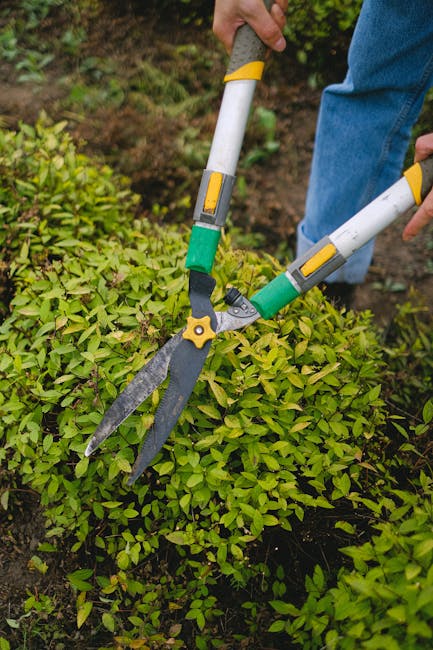
What to know about access for Walthamstow garden maintenance
If you are arranging garden care in Walthamstow, access is one of those details that can make the whole visit feel smooth or slightly awkward. The plants may be simple enough to prune, the lawn may only need a tidy, but if there is a narrow side passage, a shared alley, a locked gate, or nowhere sensible to park a van, the job can become more complicated than it first looked. That is why what to know about access for Walthamstow garden maintenance matters so much.
In practical terms, access affects how safely a team can reach the garden, what equipment they can bring, how long the work takes, and whether the finish is neat on the day rather than rushed at the end. It also affects pricing, scheduling, and the amount of preparation you may need to do beforehand. Let's face it, nobody wants a maintenance visit to turn into a guessing game.
This guide breaks the topic down in plain English. You will learn what access actually means, why it matters in local jobs, how to prepare your property, and which common snags are worth sorting early. If you are comparing services, you may also find it helpful to look at the wider services overview and the practical notes on garden maintenance before you book.
Contents
- Why access matters
- How access works in practice
- Key benefits and advantages
- Who this is for
- Step-by-step guidance
- Expert tips for smoother visits
- Common mistakes to avoid
- Tools, resources and recommendations
- Law, compliance, standards and best practice
- Options and comparison table
- Case study or real-world example
- Practical checklist
- Conclusion
- Frequently asked questions
Why What to know about access for Walthamstow garden maintenance Matters
Access sounds like a small issue until you see a job where everything is a bit tighter than expected. A gardener may need to move bags of waste, bring in cutting tools, carry a mower, or simply reach the back garden without dragging muddy equipment through your kitchen. Good access keeps the work efficient and reduces the chance of damage or disruption.
In Walthamstow, that matters for a very local reason: many homes have compact front spaces, shared side entrances, rear gardens tucked behind terraces, or limited on-street parking. Even when the garden itself is straightforward, the route in and out can shape the whole visit. A clean, direct route often saves time. A cluttered, awkward one? Not so much.
It also matters for safety. Slips on wet paving, trip hazards near bins or bikes, and blocked paths can all create avoidable risk. If a team needs to carry hedge cuttings, soil, or broken branches through a narrow gap, the odds of something catching, scraping, or spilling rise pretty quickly. That is why access is not just a convenience issue. It is a service quality issue.
Expert summary: good access means faster work, less disruption, better safety, and a more predictable result. Poor access does not automatically rule out maintenance, but it usually means more planning. And a little planning goes a long way.
How What to know about access for Walthamstow garden maintenance Works
Access is usually assessed in a very practical way. First, a gardener or customer looks at how people and equipment will reach the garden. Then they consider what type of maintenance is needed. A simple lawn cut has different needs from hedge trimming, clearance, or a larger seasonal tidy-up.
The basics are usually:
- How the garden is entered
- How wide the route is
- Whether the route is level, steep, or uneven
- Whether there are locks, keys, codes, or shared access points
- Where tools, clippings, and waste can be moved safely
- Whether parking or loading is nearby enough for the work to be practical
For many homes, access is simple enough. A side gate opens, equipment is carried through, and the job begins. But in other cases, the team may need the gate left unlocked, a neighbour alerted, or the entrance cleared before arrival. If there is overgrown vegetation crowding the route, the first task may actually be gaining safe access before the real maintenance starts. That is especially common in jobs that involve garden clearance or heavier seasonal work.
When maintenance includes hedging or larger shrubs, the access route becomes even more important because cuttings can be bulky. If the job involves a boundary hedge, it is worth looking at hedge trimming expectations as part of the planning, because the access needs can differ from a basic mow.
There is also a simple reality here: the easier it is to move safely between the van and the garden, the more likely the job runs to plan. Not glamorous, but true.
Key Benefits and Practical Advantages
Sorting access properly is not about making life fussy. It is about making the work easier for everyone involved. A few small preparations can deliver surprisingly big benefits.
- Less time wasted: the team can start work quickly instead of checking gates, moving obstacles, or finding a route on the day.
- Better safety: clear access reduces the chance of trips, strained lifting, or damage to paths and walls.
- Cleaner results: easier movement in and out helps with waste removal and final tidying.
- More accurate quotes: if access is explained early, the estimate is more likely to reflect the real job.
- Less disruption to your day: there is usually less need for repeated calls, awkward delays, or back-and-forth adjustments.
There is a quieter advantage too: peace of mind. If you know the route is sorted, you do not spend the morning wondering whether someone will be able to get in. That little worry disappears. Nice, really.
In some cases, good access can also help determine whether a job can include wider improvements such as landscaping or more detailed landscape gardening work later on. Access is often the first test before anything more ambitious is planned.
Who This Is For and When It Makes Sense
This topic matters to a lot of different people, not just homeowners with a big rear garden. In fact, access is often most important where space is tight.
- Terraced property owners: especially where the garden is reached via a narrow passage or shared alley.
- Landlords and letting agents: when gardens need regular upkeep between tenancies or before viewings.
- Busy households: if you want the work completed with minimal disruption and no awkward surprises.
- Older properties: where gates, steps, or uneven paving can make moving equipment harder.
- Properties with heavy growth: where access has partially been lost to brambles, self-seeded shrubs, or stored items.
- Anyone booking seasonal work: spring clear-ups, autumn tidy-ups, and post-storm maintenance often need more carrying and waste handling.
It also makes sense when you want to compare regular maintenance with one-off work. A monthly lawn visit usually needs less access planning than a large job after a long gap. If you are not sure what kind of visit your garden needs, a quick look at the provider's pricing and quotes guidance can help you understand how access might influence the estimate.
Truth be told, people often only think about access when something goes wrong. Better to think about it first.
Step-by-Step Guidance
If you want to prepare a garden properly for maintenance, the process is straightforward. No drama. Just a few sensible steps.
- Walk the route from the street to the garden. Notice gate width, steps, loose paving, and any narrow turns.
- Clear obvious obstacles. Move bins, bikes, toys, plant pots, and stored items out of the access path if you can.
- Check gate access. Make sure locks, bolts, or codes are ready in advance. If someone else will be home, agree who opens up.
- Think about parking and loading. If a van may need to park a little way off, mention that early so timings can be planned properly.
- Flag anything unusual. Steep steps, a fragile trellis, a shared passage, or a dog that likes to greet visitors all matter.
- Separate access from the work itself. If the garden is overgrown, the route may need clearing first. That is normal, not a problem.
- Confirm waste removal expectations. If a job creates lots of cuttings or clippings, ask how they will be taken out efficiently.
One useful habit is to take a couple of photos before the appointment. Not for a dramatic before-and-after post, just as a practical note. A photo of the gate, the side path, or the rear entrance can save a lot of back-and-forth. Small thing. Big help.
And if your garden needs a particularly heavy tidy, check whether the team offers a dedicated garden clearance option, because access needs can be very different from routine maintenance.
Expert Tips for Better Results
Most access problems are avoidable if you think like the person carrying the tools rather than only like the person looking out at the garden. That shift changes everything, oddly enough.
1. Keep the route wider than you think you need
A path may seem passable until someone is carrying a trimmer, a bag of waste, or a mower with a full grass box. A little extra space makes manoeuvring less clumsy and helps avoid knocks to fences, paintwork, and flowerbeds.
2. Make the "first ten metres" easy
The entry route from street to garden often determines how the day begins. If the first section is clutter-free and well lit, the rest of the job usually feels smoother. It is one of those tiny things that saves time all morning.
3. Say the awkward bit out loud
If the gate sticks, the passage is low, or the neighbour's bin blocks the side return every Tuesday, mention it. Really. Teams would rather know before arrival than discover it halfway through carrying equipment.
4. Match the access plan to the task
Routine mowing, hedge trimming, and light maintenance need one kind of access plan. A bigger seasonal tidy, shrub reduction, or tree-related work may need a different one. If tree work is involved, the access and safety picture becomes even more important, so it is worth reviewing tree lopping and removal information carefully.
5. Think about where waste will go
Even a small garden can produce a surprising heap of cuttings. If there is a long carry distance, the work will usually take longer. If there is easy access to a loading point, the job tends to flow much better.
Small expert note: access is not only about getting in. It is also about getting out without leaving a trail of soil, debris, and frustration behind.
Common Mistakes to Avoid
Most access problems come from assumptions. "It should be fine." "The gate always opens." "There's enough room, I think." Those little guesses can create real delays.
- Leaving bins, furniture, or plant containers in the route. Even one awkward item can slow the whole visit.
- Forgetting about locked side gates. A locked entrance can stop work entirely until someone is available.
- Not mentioning narrow or low entrances. Some equipment simply will not fit comfortably through every route.
- Assuming parking will be easy. In Walthamstow, parking and loading need a bit of thought on some streets.
- Overlooking pets or children. Safe access includes safe movement around the property too.
- Booking the wrong type of service. A light tidy-up and a full clearance job have very different access needs.
There is also a quieter mistake: not asking questions because you do not want to seem difficult. You are not being difficult. You are being practical. That is different.
If you are unsure how a provider handles access-related delays, safety concerns, or service expectations, it helps to read their terms and conditions and their insurance and safety information before work begins.
Tools, Resources and Recommendations
You do not need specialist equipment to prepare for access, but a few ordinary things make life easier.
| Item or approach | Why it helps | Best for |
|---|---|---|
| Gate keys or codes ready in advance | Prevents delays at arrival | Most homes |
| Clear storage boxes or moveable items | Creates a safer route through the garden | Small and cluttered gardens |
| Simple site photos | Shows route width, steps, and constraints | First-time bookings |
| Written instructions for access | Reduces confusion if someone else lets the team in | Lettings, rentals, shared households |
| Clear parking notes | Helps plan arrival and loading | Busy residential streets |
For businesses that care about service quality, it is also worth checking how they talk about sustainability and waste handling. Good access planning and sensible disposal habits often go together. If that matters to you, the site's recycling and sustainability page is a useful place to look.
You may also want to understand the company behind the service. A quick read of the about us page can give you a better feel for how they work, while accessibility statement information can be reassuring if access around the property is a broader concern.
Law, Compliance, Standards, or Best Practice
Access for garden maintenance is not just a customer service matter; it can also touch on safety and practical duty of care. While the exact legal position depends on the work being carried out and the property involved, good providers generally follow cautious, common-sense standards.
In plain English, that means:
- keeping routes as safe and clear as reasonably possible
- using equipment in a way that suits the space
- not forcing access where it would create risk or damage
- being honest about limitations before the work starts
- handling waste, tools, and movement around the site responsibly
If a garden is difficult to reach, the right approach is usually to plan around the challenge rather than push through it. That may involve smaller equipment, extra time, staged work, or in some cases a revised scope of service. Good practice is about reducing risk, not pretending the risk does not exist.
It is also sensible to check a provider's health and safety policy and payment and security details if you want a fuller picture of how they operate. Those pages are not about access alone, of course, but they do help build trust.
Important note: if there are shared spaces, unusual site constraints, or any condition that could affect safe entry, it is best to disclose that early rather than try to work around it on the day.
Options, Methods, or Comparison Table
There is no single "best" access setup. The right option depends on the garden, the job, and the amount of equipment needed. Here is a straightforward comparison of common approaches.
| Access method | Advantages | Possible downsides | Best for |
|---|---|---|---|
| Direct rear-garden access | Fast, simple, less carrying | May require keys or someone home | Routine maintenance and regular visits |
| Side passage access | Often keeps work away from the house | Can be narrow or cluttered | Many terraced homes |
| Front-to-rear carry through the house | Useful when no outside route exists | More disruption, higher chance of mess | Properties without external side access |
| Shared alley or communal route | Can work well if kept clear | Relies on others not blocking it | Shared or converted properties |
| Staged access with waste removal later | Helps on larger jobs with limited space | May take longer overall | Clearances and bulkier maintenance |
In day-to-day work, the best choice is often the one that keeps movement simple and avoids unnecessary handling. That sounds obvious, but people skip it all the time.
Case Study or Real-World Example
Imagine a small terraced house in Walthamstow with a neat front garden, but the real work is at the back. The side passage is narrow, the gate catches a little on the post, and two recycling bins sit right where the mower would need to pass. The garden itself is not huge, yet the access route makes the job feel bigger than it is.
Before the appointment, the homeowner clears the bins, unlocks the gate, and sends a couple of photos showing the route. The team arrives, moves straight through, and gets the lawn mowing done without needing to stop and re-plan. Then they trim the edges, collect the cuttings in manageable loads, and leave the path as they found it. Simple, tidy, efficient.
Now compare that with the same garden but no prep at all. The team arrives, discovers the locked gate, has to wait, then finds the side passage blocked by a bike and a compost caddy. Nothing catastrophic, just a slow start that ripples through the rest of the visit. The garden still gets done, but it takes longer and feels less smooth for everyone. Slightly annoying, honestly.
This is exactly why access is worth discussing early. It is not about being precious. It is about making the maintenance visit feel calm instead of chaotic.
If the work grows beyond a routine tidy and starts looking more like a larger refresh, you may want to compare the service with lawn mowing or broader landscaping options, since access needs can change quite a bit with the scope of the job.
Practical Checklist
Use this checklist before a garden maintenance visit. It keeps things clear and saves last-minute scrambles.
- Keys, codes, or access instructions are ready
- Side gate, rear gate, or communal entrance is confirmed
- Pathways are clear of bins, bikes, toys, and loose items
- Any steps, slopes, or uneven paving have been mentioned
- Parking or loading notes have been shared
- Pets are safely managed during the visit
- Overgrown areas that block entry have been flagged early
- Waste removal needs are understood
- Any shared access arrangements are explained
- You have checked the relevant service details if the job is larger than a simple tidy
If you want to keep your expectations clear from the start, the site's complaints procedure can also be worth reviewing. Not because problems are expected, but because good communication is part of a professional service.
Conclusion
Access is one of the quiet foundations of successful garden maintenance. It affects safety, timing, equipment choice, waste removal, and the overall feel of the visit. In a place like Walthamstow, where many gardens are reached through tight or shared routes, a little planning is often the difference between a job that feels effortless and one that feels oddly complicated.
The good news? Most access issues are manageable. Clear the route, share the details, be honest about the constraints, and match the job to the space. That is usually enough. You do not need a perfect garden entrance, just a sensible one.
And if you are still unsure what your property needs, start with the practical facts: gate width, route condition, parking, and the type of maintenance you want done. From there, everything becomes much easier to judge. A small bit of prep now can save a lot of faff later, and that is no bad thing.
Get a free quote today and see how much you can save.
Frequently Asked Questions
What does access mean for garden maintenance?
Access means the route and arrangements used to reach the garden safely, including gates, side passages, parking, loading points, and any shared entrances. It matters because it affects how easily tools and waste can be moved in and out.
Why is access such a big deal in Walthamstow?
Many Walthamstow properties have narrow side access, terraced layouts, or limited parking nearby. That makes access more important than people sometimes expect, especially for jobs involving tools, cuttings, or bulkier waste.
Do I need to clear the garden before a maintenance visit?
You do not need to make it spotless, but clearing obvious obstacles from the access route helps a lot. Move bins, bikes, toys, and anything fragile out of the way if you can.
What if my garden is only reachable through the house?
That can still work, but it usually needs a bit more care because equipment and debris may pass through indoor spaces. It is best to mention this in advance so the visit can be planned properly.
Should I tell the gardener about a narrow gate or passage?
Yes, absolutely. Narrow entrances can affect what equipment is brought and how long the visit takes. It is much better to share that early than to discover it on the doorstep.
Can difficult access increase the cost of garden maintenance?
It can, depending on the level of difficulty and the extra time needed. Access does not always change the price, but it often influences the quote if it adds complexity or slows down waste removal.
What access details should I mention when asking for a quote?
Tell the provider about gate width, steps, shared pathways, parking, whether the gate is locked, and any overgrown areas that block entry. Photos can help too.
Is a shared alley or communal path a problem?
Not necessarily. Shared access can work well if it is clear and usable. The main issue is whether the route stays free enough for safe movement on the day.
What should I do if access is blocked by overgrowth?
Say so early. In some cases, the first stage of the work may be to regain access before the main maintenance can begin. That is common and perfectly manageable.
How can I make a garden maintenance visit smoother?
Prepare the route, share practical details, keep gates unlocked if agreed, and make sure parking or loading arrangements are realistic. A few minutes of prep can save a lot of disruption.
Does access matter for small jobs like lawn mowing?
Yes, even small jobs can be slowed down by tight access. A mower may be compact, but the route still has to be safe and clear. If the job includes edging or cuttings removal, access matters even more.
Where can I check more about the company before booking?
You can review the about us page, the services overview, and the site's policy pages such as health and safety policy and payment and security information. Those pages help you understand how the service is set up and what to expect.